In-Center ABA Therapy
A structured, supportive setting for growth
Daily Flow
What an in-center day looks like
- 1
Check-in & preferences
Quick parent handoff, review goals, identify motivating items and activities.
- 2
Warm-up & rapport building
Joyful joining, play, and a preview of the visual schedule.
- 3
Targeted learning blocks
Short, focused segments covering communication, self-regulation, daily living, and academic/school readiness.
- 4
NET & play-based generalization
Practice new skills during fun, natural activities.
- 5
Movement & sensory breaks
Proactive regulation with gross motor play, sensory tools, and calm corners.
- 6
Snack, lunch & life skills
Mealtime independence, hygiene, and communication.
- 7
Social & peer practice
Turn-taking, group games, and classroom-style routines when appropriate.
- 8
Caregiver coaching & debrief
Simple home strategies and progress updates at pickup.
A BCBA oversees the program and RBTs provide session-to-session support. We balance structure, for steady progress, with flexibility, to follow your child’s motivation and assent.
Is It Right For Your Child?
In-center may be ideal for children who…
- Thrive in structured, predictable environments.
- Need opportunities for peer interaction and social skill development.
- Are preparing to transition into preschool, kindergarten, or other classroom settings.
- Benefit from access to specialized therapeutic resources and collaborative team input.
What in-center therapy includes
- Individualized therapy sessions tailored to your child's goals.
- Structured daily routines to build predictability and independence.
- Opportunities for peer interaction and group learning.
- Therapist collaboration, supervision, and cross-functional input from behavior analysts.
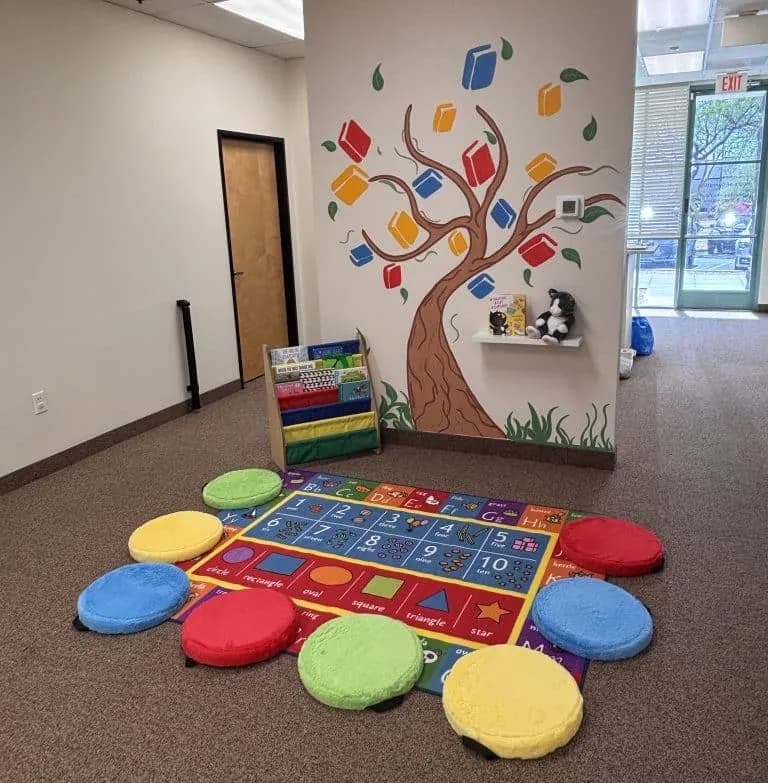
- Access to specialized learning materials, play areas, and tools not always available at home.
Benefits of in-center therapy
- School-like structure that helps children adapt to classroom settings.
- Built-in opportunities for socialization and group learning.
- Consistent daily routines that support independence and transitions.
- A collaborative environment with multiple therapists contributing to your child's care.
What Parents Can Expect
How we work with your family
Compassionate, assent-based care
Child-led motivation, respectful prompting, and dignity-centered support.
Structured teaching methods
DTT for precision, NET for natural use, FCT for communication, and task analysis/chaining for independence.
Regular BCBA supervision
Observation, plan updates, and collaboration with schools and other providers, with your consent.
Daily notes & practical home tips
Two or three simple strategies you can use right away.
Consistency across settings
We plan for carryover at home, school, and in the community.
What Parents Need To Know
The practical details
- Toileting & mealtime
- Schedules and supports are individualized.
- Allergies & sensitivities
- We follow family guidance and medical recommendations.
- What to bring
- Labeled water bottle, snack or lunch per policy, spare clothes or pull-ups, and a preferred comfort or sensory item.
- Communication
- We can use a notebook or secure app to keep you informed and aligned.
Flexible drop-off, pick-up, and scheduling hours Monday through Friday. We accept most major insurance providers — see accepted plans.
Answers
Frequently Asked Questions
What is autism?
Autism Spectrum Disorder (ASD) is a developmental condition that affects how a child communicates, interacts socially, and processes information. Autism is a spectrum, meaning symptoms and abilities vary widely from one child to another.
Who can benefit from ABA therapy?
ABA therapy is most commonly used to support children with Autism Spectrum Disorder (ASD), but it can also benefit individuals with other developmental challenges. It is especially effective when started early and tailored to each individual's needs.
What does a typical ABA therapy session look like?
A typical session includes 1:1 instruction with a trained ABA therapist, using play-based or structured tasks to work on goals such as communication, social interaction, behavior regulation, and daily living skills. Sessions may occur at home, in a clinic, or in community settings.
What age range do you serve?
We work with children ages 1–17 years of age.
How is autism diagnosed?
A formal autism diagnosis is typically made by a licensed pediatrician, psychologist, or developmental specialist. The evaluation may include parent interviews, developmental history, observation of behavior, and standardized tools such as the ADOS-2 (Autism Diagnostic Observation Schedule).
What insurance do you accept?
We accept most major insurance plans, including Aetna, Cigna, United Healthcare, Blue Cross Blue Shield, and Medicaid options where applicable. Our team can help verify your benefits and guide you through the approval process.
Now Enrolling
Visit our Mesa center
Call us or send a message — we'll verify your benefits and walk you through every step of enrollment.